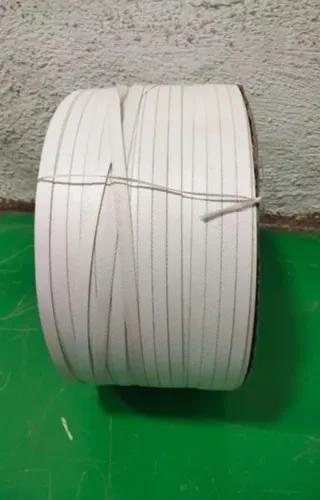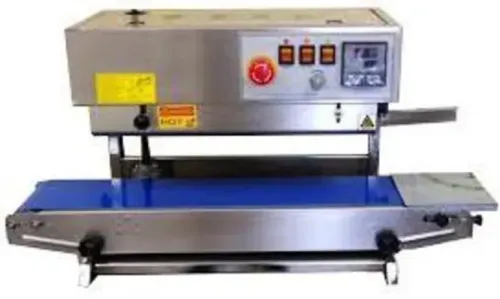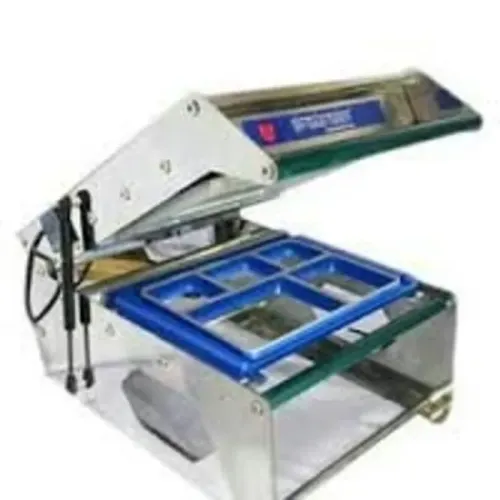

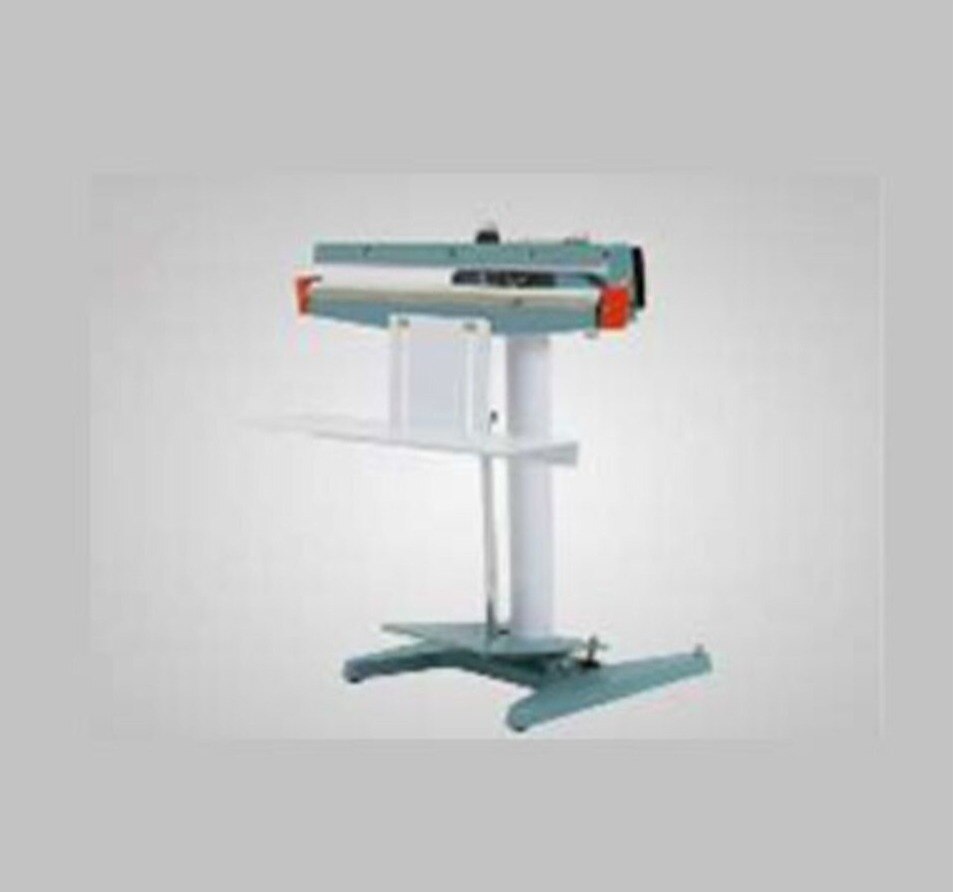
A pedal sealer can be a sensible entry point for intermittent packing, but it does not automatically provide the controlled heat, airflow and conveyor movement needed to shrink film consistently. By comparing the process, sizing the machine against real packs, calculating usable throughput and checking supplier support, you can decide whether a pedal-based system will meet your production requirement.
Key takeaways
- A pedal sealer closes film; a tunnel or chamber performs the shrinking.
- Size the L-sealer by product dimensions, film width and sealing-bar clearance.
- Measure output using complete sealed-and-shrunk packs, not sealing cycles alone.
- Require guarding, emergency stops, temperature control and documented acceptance tests.
What does a pedal sealer do, and when is it enough for shrink packaging?
A pedal sealer performs the sealing step, not the shrinking step. You position the film, close the L-bar or sealing bar with the pedal, apply heat, and cut the film; the sealed pack then needs controlled heat exposure in a chamber or shrink tunnel to contract the film.
| Equipment | Main job | Best fit |
|---|---|---|
| Pedal sealer | Manual heat sealing and cutting | Intermittent work with stable dimensions |
| L-sealer | L-shaped seal around centre-fold film | Manual loading of varied batches |
| Chamber machine | Seals and shrinks inside an enclosure | Small batches needing contained heat |
| Shrink tunnel | Shrinks already sealed packs | Repeatable downstream heating |
| Impulse sealer | Seals bags without shrinking them | Non-shrink polyethylene or laminated bags |
| Continuous band sealer | Continuous bag sealing | Higher-volume bag production |
An L-sealer still leaves film loading, product positioning, scrap removal, and pack discharge to the operator. A pedal sealer machine manufacturer is worth considering when manual loading is acceptable; it is a weak choice for automatic spacing, continuous side sealing, printed-film registration, or high unattended output.
Use this sequence:
- Load the product.
- Pull or feed the film around it.
- Close the bar and wait for the seal and cut.
- Inspect the seal.
- Pass the pack through a chamber or tunnel when shrinkage is required.
How do you size an L-sealer for cartons, trays and the chosen film?
Treat 300 × 400 mm as the available sealing-bar dimensions, not the maximum carton or tray size. Measure product length, width and height, then add clearance for film separation, the sealing bar and the film-fold position. Confirm that the complete envelope fits without forcing the operator to rotate or compress the pack.
Request shrink L-sealer machine specifications covering:
- Maximum product length and width
- Maximum pack height
- Sealing-bar dimensions
- Machine footprint
- Power supply and power consumption
- Temperature-control range
- Conveyor or tray height
- Cycle rate
Record the film’s thickness or gauge, flat width, roll width and whether it is centre-folded or single-wound. Match PVC, POF or PE to the product by sealing temperature, shrink temperature, stiffness and shrink force; the wrong film can split at corners, pull labels loose or fail to tighten.
A shrink sealer for cartons and trays must pass a physical trial, not just a dimensional check. Test the lightest, heaviest, tallest and most fragile production pack. Open trays and projecting corners can lift, rotate, collapse or snag at the film curtain or tunnel entrance, exposing a weakness that a flat sample will hide.
Record each trial’s pack dimensions, weight, film gauge, seal temperature, tunnel temperature, conveyor speed, cycle time and defects. Reject the machine if the required pack only fits after manual repositioning, or if the tunnel aperture and conveyor height cannot carry it steadily.
What output can a pedal-operated shrink sealer actually achieve?
A pedal-operated shrink sealer’s achieved output is packs per minute from the complete operator cycle, not its advertised sealing time. Measure film retrieval, product centring, film separation, bar closure, sealing and cutting, bar opening, pack removal, scrap handling and tunnel dwell. Calculate packs per minute as completed packs ÷ elapsed minutes.
- Run at least 30 consecutive cycles with the actual product, film and operator method. Record cycle time, packs per minute, mis-seals, film jams and rejected packs.
- Confirm the film width and product envelope fit the bar without forcing repositioning. Compare daily demand with measured packs per minute × operating minutes, then deduct breaks, film changes, cleaning, rejects and film replenishment.
- Test seals for strength and failure mode, not appearance alone. ASTM F88/F88M measures flexible-barrier seal strength and helps distinguish adhesive failure, cohesive failure and film tear; ASTM F2029 helps compare film heat-sealability.
| Option | What it means | When it applies |
|---|---|---|
| Chamber machine | Sealing and shrinking occur inside one chamber | Small batches, varied products and fewer separate handling steps |
| Impulse sealer | Heat seals without shrinking film | Non-shrink bag sealing |
| Continuous band sealer | Product passes through powered sealing belts | Repeated bag sealing with steadier operator output |
| Automatic side-seal system | Film feeds and seals continuously around products | High volume, consistent spacing and reduced manual handling |
A chamber machine suits small, irregular batches; an impulse sealer is the wrong choice for shrink film. Choose continuous band or automatic side-seal equipment when labour, spacing or sustained output limits the pedal cycle.
What equipment, safety controls and acceptance tests complete the system?
A quotation saying “shrink sealer for machine” is incomplete. Make the purchase order name the L-type sealing head, film holder, chamber, shrink tunnel, conveyor, cooling section, discharge conveyor and manual finishing station. If film must shrink after sealing, require a separate tunnel or a clearly specified integrated tunnel.
1. Verify the tunnel’s usable heated length and aperture against the largest pack. Check airflow pattern, conveyor speed, dwell time and maximum product temperature; faster travel without enough heat transfer leaves loose film or incomplete shrinkage. Treat tunnel capacity as the bottleneck, even when the sealing head is fast.
2. Run the actual film and products, recording film type and gauge, pack dimensions and weight, seal temperature, sealing dwell, tunnel temperature, conveyor speed, complete cycle time, rejects and electrical load. Record loose film, burn-through, wrinkles and weak seals as defects, not informal observations.
3. Inspect the pedal bar for pinch points, hot surfaces and exposed access to the point of operation. Require guarding, insulated surfaces, emergency stopping arrangements and suitable interlocks where the design requires them.
4. Confirm whether each temperature reading comes from the bar or only a remote controller sensor. A displayed set point can differ from the film-contact temperature during heat-up and recovery, producing weak seals or burn-through.
5. Accept the system only after the tunnel, cooling and discharge path handle the specified pack without snagging, overheating or manual rework beyond the agreed finishing station.
How should you qualify a pedal sealer manufacturer in Pune before buying?
A local address proves neither service capacity nor technical support. Turn supplier qualification into a witnessed sample test before you buy.
Ask each candidate to run your smallest, largest, heaviest, lightest and most fragile packs using the specified PVC, POF or PE film. Record film gauge, pack dimensions and weight, seal temperature, dwell, tunnel temperature, conveyor speed, cycle time, reject rate, electrical load, and defects such as wrinkles, burn-through, loose film or weak seals.
| Check | Evidence to demand | Reject if absent |
|---|---|---|
| Spare parts | Stock of heater elements, PTFE or glass-fibre tape, and other wear parts | No local availability or replenishment time |
| Technical service | Electrical troubleshooting capability, response time and named service contact | Only a sales address |
| Complete process | Film path, maximum product envelope, included conveyor, tunnel settings and site commissioning | Support covers only the pedal head |
| Quotation | Electrical load, tunnel capacity and every included module | “Shrink sealer for machine” remains undefined |
For a shrink sealer machine in Pune, ask whether the supplier will commission the tunnel at your site and train operators. An industrial shrink sealer supplier in Pune should document maintenance instructions and post-installation support; compare ASN Packaging PVT LTD on those records, sample results, machine limits and training rather than location.
Buy from the pedal sealer manufacturer when the measured cycle meets demand and the complete system passes the sample test. Choose a more automated supplier when labour, throughput or process control fails that test.
Related products
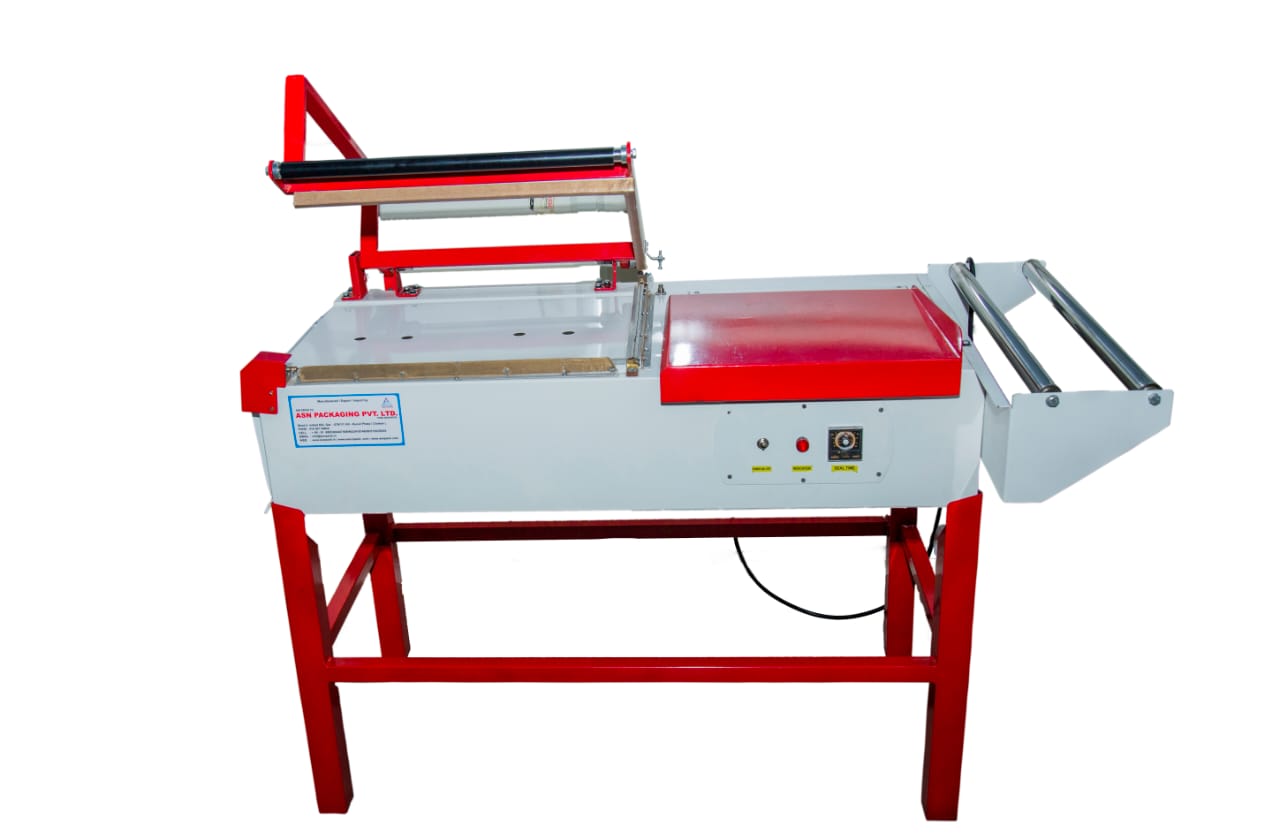 | Shrink L-Sealer Machines It is Suitable for Small Bags Packing And Adopts Electronic Constant temp. control System and variable speed adjusting transmission mechanism . View product → |
 | ₹35000 We are engaged in manufacturing of qualitative range of shrink packaging Machines, which provide solutions for a wide variety of packaging... View product → |
Frequently asked questions
What does a pedal sealer do in shrink packaging?
A pedal sealer positions and heat-seals shrink film around a product. It does not shrink the film; a heat chamber or shrink tunnel completes that step.
How do you size an L-sealer for cartons and trays?
Measure the product length, width and height, then confirm the L-bar sealing length, film width and clearance accommodate the pack without stretching or contacting the frame.
What output can a pedal-operated shrink sealer achieve?
Output depends on loading, film handling, sealing dwell time and the separate shrinking step. Calculate capacity from complete sealed-and-shrunk packs per hour rather than pedal cycles.
What should you check before buying from a pedal sealer manufacturer in Pune?
Request equipment specifications, safety features, film compatibility, a sample trial and written acceptance tests covering seal quality, temperature control, dimensions and sustained output.
Related products
 | ₹38000 It is suitable for heavy weight products for multiple packaging matrix, Requires two rolls of packaging materials pneumatic web sealer with stick... View product → |
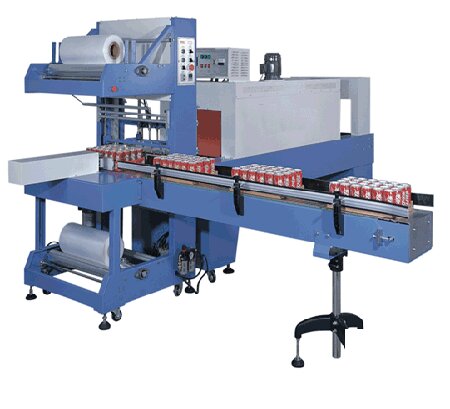 | ₹335000 The unit packs duly collated Automated & put in to In-feed Line Conveyor. The sealing shall be WEB SEALER suitable for above product. View product → |
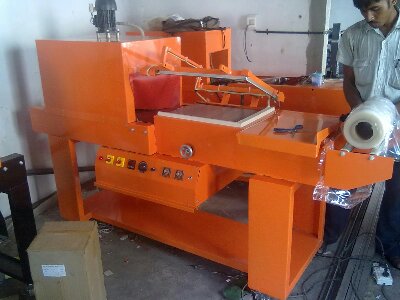 | COMBO SHRINK L-SEALER AND TUNNEL MACHINE ₹95000 Features: • Stainless steel product-loading tray • Durable silicone sealing pad • Long lasting heating element cool down function for delayed power... View product → |
 | ₹335000 The unit packs duly collated Automated & put in to In-feed Line Conveyor. The sealing shall be WEB SEALER suitable for above product. View product → |