
A food bag can leave a sealer with a neat-looking seam and still leak because powder, oil, wrinkles, or an unqualified film structure entered the seal zone. By following the bag from filling through cooling, coding, discharge, testing, and site commissioning, you can specify the right machine and control the process that produces a reliable seal.
Key takeaways
- Keep product below the open sealing margin.
- Match film, product behaviour and machine orientation before setup.
- Inspect the seal for channels, wrinkles, leaks and contamination.
- Require production trials and documented acceptance checks before handover.
How the Filled Bag Enters and Moves Through the Sealer
The filling station must leave a clean, open margin above the product before the bag reaches the sealer. Keep powder, oil, sauce, crumbs, and loose pieces below this margin; anything caught across the mouth can form a channel through the seal, even when the displayed heater temperature is correct.
A guide, chute, or operator then straightens the mouth and presents it at a consistent height.
- At the filling point, settle the product below the intended seal line and wipe or brush the mouth if residue is visible.
- Transfer the bag onto the infeed conveyor without folding, twisting, or dragging the mouth through spilled product.
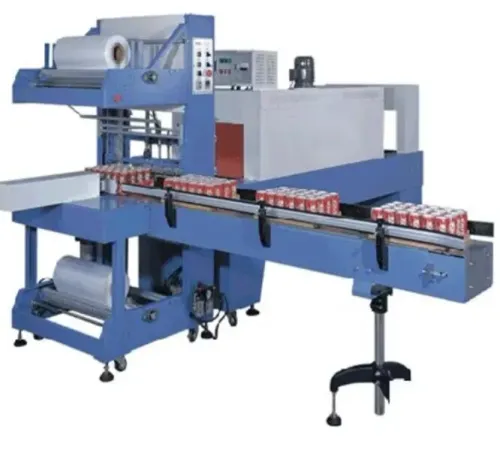
- Align the open edge with the moving PTFE-coated belts, which capture the mouth and carry it at a controlled speed through the industrial band sealer process.
Horizontal equipment suits stable bags presented with the mouth level. Choose vertical handling when liquid, granules, or flowing product would spill if the filled bag were laid sideways. The package shape and product behaviour determine that choice, not the machine’s location.
A continuous band sealer for food bags carries and closes bags continuously, but it does not guarantee clean or leak-free seals. Set a defined inspection plan: perform visual seal checks during production, periodically test seal strength, and isolate rejected bags rather than allowing them into finished stock.
Clean the infeed guides and belts at the intervals established for the product, especially after a spill.
What Happens Inside the Heating, Compression and Cooling Path
With a band sealer machine working correctly, the bag mouth becomes a moving seal zone: belts hold it flat, heater surfaces soften the sealant layer, pressure joins the films, and cooling stabilises the bond before discharge.
1. The operator inserts the open mouth between moving PTFE-coated belts. The belts grip the film without dragging the bag away from its support, then carry it at a controlled speed.
2. The captured mouth passes through heated sealing elements. Heat must reach the film interface, not merely match the temperature shown on the controller; belt condition, heat loss and line speed affect the result.
3. Compression presses the softened layers together. Belt speed sets dwell time, so a faster bag receives less heating and compression exposure; correct the process instead of simply raising heat.
4. The mouth enters the cooling section while still held under pressure. Cooling lets the sealant layer set, reducing channel leaks, wrinkles and seal opening during handling.
The machine’s displayed temperature is not proof of seal quality. Check actual production bags through visual inspection, periodic seal-strength testing and leak testing, because excessive heat can shrink, burn or embrittle the sealant layer.
Use a horizontal path when the bag remains stable with its mouth level. Choose a vertical path when liquid, powder or loose food would fall toward the mouth during handling. In either layout, conveyor height and bag support must keep the seal zone flat through the entire heating, compression and cooling path.
How Film, Product Behaviour and Machine Orientation Determine the Setup
Film choice sets the sealing window: the sealant layer must melt and bond without burning. A thin polyethylene structure needs less heat and dwell than a thicker laminate, while a film change can alter bonding. Requalify after changing the supplier, resin, printed area near the seal, gusset design or recycled-content formulation.
Set the food bag sealing machine in Pune against these production facts:
- Film construction: record the sealant resin, total thickness and laminate structure.
- Product behaviour: account for material that settles, sticks or enters the mouth during filling.
- Product temperature: a hot or chilled product changes heat loss and the required dwell.
- Target speed: belt speed controls dwell time; higher speed often requires more heat or pressure.
- Seal specification: fix seal width and compression pressure before trials.
- Bag orientation: choose vertical or horizontal presentation from the product and bag geometry.
- Site conditions: confirm voltage, phase, compressed air, floor space and conveyor height.
Orientation determines support. A vertical path keeps an upright bag stable, while horizontal handling suits a bag with a reliable support surface; incorrect guides let the mouth lean and create an uneven seal.
Do not treat the display temperature as the film-interface temperature. Heater calibration, worn PTFE belts, ambient conditions and product heat loss change the result. Adjust one variable at a time, then test seal strength or leakage on the actual bag and film lot. Excess heat can shrink or embrittle the sealant.
How the Finished Bag Is Coded, Discharged and Accepted
A coded bag is not accepted because its seal looks neat. After cooling, the coder prints the batch or lot number, production date, and any required use-by information; inspect the print for legibility, position, and permanence before discharge.
Use a defined acceptance check for the industrial band sealer process:
- Examine the full seal for continuous fusion, even width, clean edges, and correct placement.
- Reject wrinkles, open channels, trapped product, burn-through, brittle film, and seal contamination.
- Confirm the code remains readable after handling and matches the production record.
- Isolate every failed bag in a marked reject container; never return it to finished stock.
- Take samples at the start, after adjustments, and at scheduled intervals for the qualified leak test.
A peel or tensile test shows seal strength, not package integrity. A seal can resist peeling while a pinhole, channel, or contaminated section allows air or liquid through. Prove leak performance with a validated method such as vacuum-chamber testing, pressure decay, bubble testing, or a dye test suited to the bag and product.
The acceptance result is therefore “no leak under the defined test conditions,” not an unsupported claim of absolute leak-freedom. Record the film lot, machine temperature, belt speed, sample time, test method, result, and operator. A continuous band sealer for food bags provides repeatable handling and sealing; it does not replace this inspection plan.
How a Manufacturer Proves the Machine Before Production Starts
The machine is not proven when its conveyor runs empty; it is proven when the buyer’s bag, film and product produce an acceptable seal at the required rate. A packaging machine manufacturer supplying a band sealer for operation in Pune must verify the following in sequence:
1. Fix the specification before fabrication: film structure and thickness, bag drawing, seal width, bag orientation, target bags per minute, conveyor arrangement, floor space, supply voltage and phase, earthing, and compressed-air demand if fitted.
2. Check the design for food-service hygiene. Reject crevices, dead corners, exposed threads, lubricant paths near the product, difficult-to-clean belt routes and unprotected cable runs before the frame is built.
3. Factory-test the assembled machine unloaded. Confirm heater control, drive speed, belt tracking, coding position, guarding, emergency stops and temperature alarms, then run customer bags and product through a loaded trial.
4. Calibrate heater performance at the film interface, not only against the display. Record seal strength or leak-test results because line speed, belt condition, product heat loss and room temperature change the result.
5. Commission on site after transport. Level the frame, confirm phase and earthing, retest guards and emergency stops, align the coder, track the belt and repeat the loaded trial using the production film lot.
ASN Packaging PVT LTD can use this acceptance record to define visual checks, periodic peel-strength or leak testing, and rejected-bag control for a food bag sealing machine in Pune. Factory approval never replaces that site trial.
Frequently asked questions
How does a filled food bag move through a continuous band sealer?
The bag enters with a clean open margin, is guided through the sealing path, and exits after sealing, coding and discharge checks.
What happens inside a food bag sealing machine?
The machine applies controlled heat, pressure and cooling to close the film layers and form a continuous seal.
How do film and product behaviour affect the sealer setup?
Film construction, powder or liquid behaviour, fill level and bag orientation determine the sealing temperature, speed, pressure and handling arrangement.
How do you verify a sealed food bag before production?
Check the seal for contamination, channels, wrinkles and leaks, then record trial results and acceptance criteria before approving production.