
A pedal sealer closes the film, while a shrink tunnel heats it into a tight package; treating them as one machine creates specification and purchasing mistakes. By the end, you will know how to compare the sealing equipment, size the tunnel, validate film and throughput, and check whether a Pune quotation covers a working packaging line.
Key takeaways
- Request a written scope listing the sealer, tunnel, conveyor, installation and commissioning.
- Match tunnel opening and conveyor width to the packed product and film path.
- Set film type, sealing temperature, tunnel heat and conveyor speed together.
- Confirm Pune stock, commissioning tests, spare parts and line acceptance criteria.
Confirm whether the pedal sealer and tunnel are one supply
Expect a written scope that identifies both machines, not a “combined line” label. The pedal sealer closes or welds the film; the tunnel applies controlled heat to shrink it around the product. Confirm whether the quotation includes the sealer, tunnel, conveyor, installation and commissioning, or only the tunnel.
A pedal sealer machine manufacturer offering a shrink tunnel machine for supply in Pune should put these points in the quote:
- Machine status: ex-stock, under fabrication, or dispatch from another location, with a stated lead time.
- Electrical data: nameplate connected load, phase, voltage and recommended upstream protection, including the conveyor motor, circulation fan, controls and heaters.
- Commercial scope: installation responsibility, commissioning date, warranty response location, and spare availability for heaters, belts and controls.
- Tunnel data: temperature-control range, conveyor type, speed range, load rating, heater capacity, air circulation, tunnel opening, dimensions and machine weight.
- Acceptance basis: your actual film, package dimensions, seal pattern and target packs per hour.
Do not approve the line from heater wattage alone. The pedal sealer’s maximum seal length must exceed the package’s sealing edge, and that measurement is unrelated to tunnel chamber width.
Before signing, run both machines with your film and product; excessive heat or residence time can burn through film, create holes, distort the pack or overheat its contents. Record the tested settings and output in the acceptance document.
Compare pedal sealer specifications before matching the tunnel
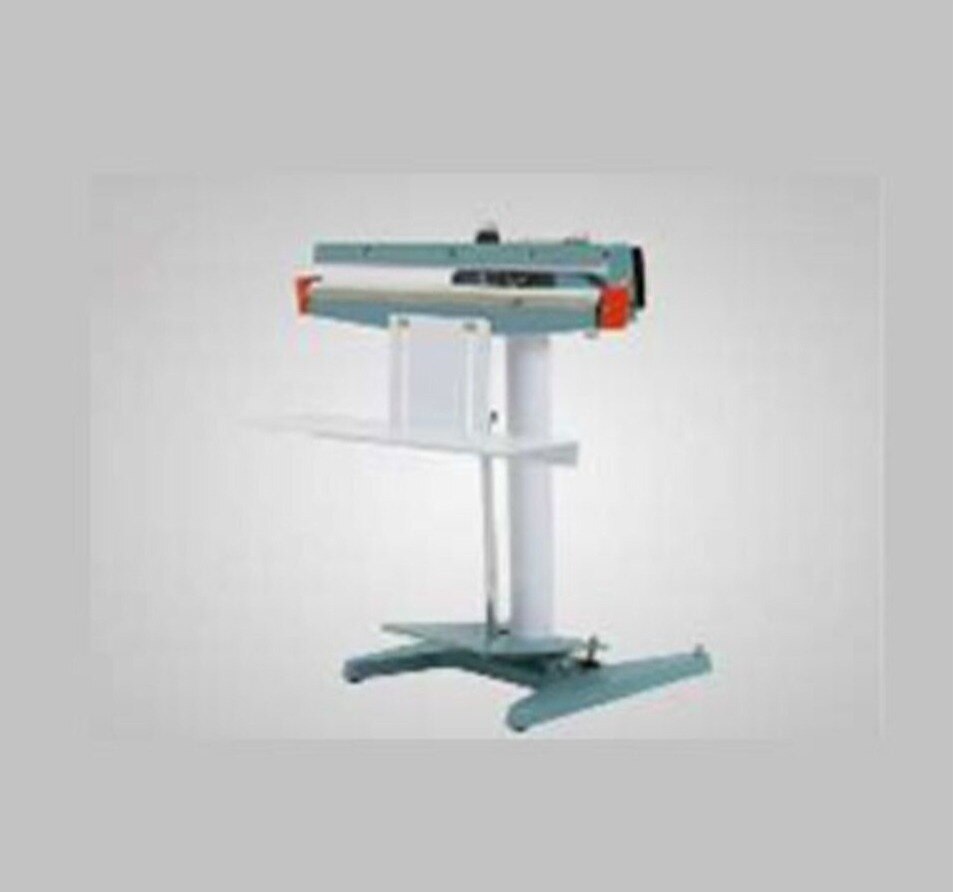
A pedal sealer closes film with heated jaws triggered by your foot, leaving both hands free to position the pack. It is an impulse sealing machine: heat reaches the film only during the sealing cycle, unlike a continuous band sealer that carries film through constantly.
| Machine type | Sealing method | Best fit |
|---|---|---|
| Pedal sealer | Foot-operated impulse jaws | Short or medium batches needing manual positioning |
| L-sealer | Heated L-shaped knife | Cutting and sealing shrink film around varied pack sizes |
| Continuous band sealer | Heated moving belt and sealing wheels | Repeated bags at steady production rates |
| Web sealer | Continuous heated jaws or bands across a film web | High-throughput wrapping from a film roll |
Specify these points before asking a pedal sealer machine manufacturer to match a shrink tunnel machine for supply in Pune:
- Seal length: make it longer than the package’s sealing edge. It is not the tunnel chamber width.
- Seal width: select the jaw width needed for the film and required seam strength.
- Film compatibility: name the film, such as polyethylene, polypropylene or PVC, and state its thickness.
- Electrical supply: give voltage, phase and frequency, then request connected load rather than heater wattage alone.
- Cycle rate: state packs per minute and the operator’s loading method.
- Package fit: provide the largest pack length, width and height, plus film overlap and sealing clearance.
The pedal sealer forms the closure; the tunnel applies heat to shrink film around the closed pack. Match the two by actual loaded-package size and throughput, not by machine names.
Size the tunnel opening, conveyor and heat system for the pack
Request the clear tunnel opening, not the cabinet footprint or nominal film width. Measure the largest loaded pack at its widest and tallest points, then require clearance around every side. If the product enters tilted, size the opening for that orientation; an upright fit can still strike the roof or side guides.
Ask for these shrink tunnel machine specifications in the quotation:
- Clear opening width and height, tunnel length, external dimensions and machine weight
- Conveyor type, usable belt width, speed range and maximum conveyor load
- Temperature-control range, heater capacity, heating-zone layout and insulation
- Blower or air-circulation arrangement, including airflow adjustment
- Electrical phase, voltage and connected load
| Check | Match it to | What goes wrong if you miss it |
|---|---|---|
| Opening width and height | Largest loaded pack plus stated clearance on all sides | Film or product contacts the tunnel and causes jams or poor shrink |
| Conveyor speed and temperature | A validated operating window for the intended pack | Higher speed leaves loose film; lower speed can damage film or product |
| Belt load rating | Product weight, spacing and any tray or carton | Belt deflection creates unstable travel and uneven heating |
| Heater and electrical load | Available supply and required throughput | The tunnel reaches its set temperature unloaded but fails under production load |
Do not accept a wide speed range as proof of capacity. Require a loaded trial at the agreed packs-per-minute rate, recording pack appearance, seal integrity and product temperature where heat sensitivity matters.
Set film, temperature, speed and throughput as one process
Choose the film from its supplier’s shrink-temperature window, then tune heat and belt speed around the actual product. PVC, polyolefin and polyethylene do not share one safe temperature setting; excessive heat or residence time can cause haze, holes, burn-through, distorted film or an overheated pack.
| Film | Starting decision | Failure to watch |
|---|---|---|
| PVC | Use only with the film’s stated tunnel range and ventilation controls | Haze, brittleness or burnt film |
| Polyolefin | Test on the actual pack because shrink force and exposure time vary by grade | Loose corners or product heat damage |
| Polyethylene | Confirm that the tunnel can provide the required heat and airflow | Incomplete shrink and weak presentation |
Load film squarely, keep the seal centred, and leave consistent gaps between packs. Set a conservative temperature within the film data sheet, then adjust conveyor speed: faster travel reduces heat exposure and can leave wrinkles; slower travel increases exposure and can damage film or product.
Record the validated temperature, speed, pack spacing and packs per minute as one recipe.
Do not use the machine’s advertised maximum as throughput. During acceptance, run the buyer’s film and product at the agreed sustained rate, measuring seal integrity, appearance, product temperature where relevant, conveyor stability, connected electrical load and emergency-stop operation.
The shrink tunnel machine specifications should support that test with temperature range, belt load rating, speed range, heater and airflow details.
Check equipment scope, Pune availability and line acceptance
A quotation is incomplete if it lists only tunnel length and heater wattage. Ask the shrink tunnel supplier for packaging lines to identify the shrink tunnel equipment included, the pedal sealer or L-sealer supplied with it, and every excluded conveyor, guard, control panel and installation task.
1. Request the tunnel opening, external dimensions, conveyor type, belt load rating, speed range, temperature-control range, heater capacity, circulation-fan arrangement, electrical phase, voltage and total connected load. The connected load must include the motor, fan, controls and auxiliaries, not only the heaters.
2. Record the line interface: upstream sealing speed, package pitch, product orientation, conveyor height, infeed and outfeed clearances, accumulation method, emergency-stop circuit and line-control signals. ASN Packaging PVT LTD can be compared on these integration details rather than on chamber size alone.
3. Verify shrink tunnel machine availability in pune by asking whether the unit is ex-stock, awaiting fabrication, undergoing electrical customization or being dispatched from another location. Put dispatch lead time, installation responsibility, commissioning date, warranty response location, and heater, belt and controller-spare availability in the purchase order.
4. Make acceptance use your production film, actual package and target throughput. Run enough consecutive packs to check seal integrity, film shrinkage, belt tracking, temperature stability and product heating; reject results that depend on slower speed or a different film.
Obtain the nameplate connected-load figure and recommended upstream protection before arranging site power. A successful factory demonstration does not prove line performance if the supplier tests an empty tunnel or omits the sealer’s cycle time.
Related products
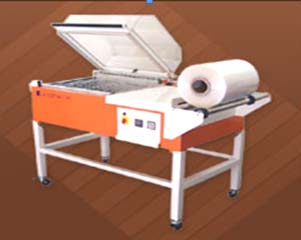 | ₹38000 It is suitable for heavy weight products for multiple packaging matrix, Requires two rolls of packaging materials pneumatic web sealer with stick... View product → |
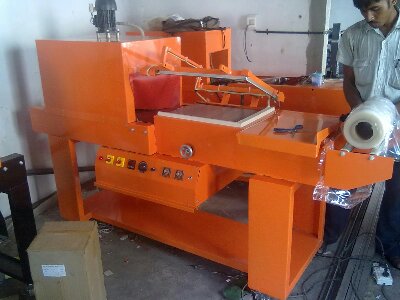 | COMBO SHRINK L-SEALER AND TUNNEL MACHINE ₹95000 Features: • Stainless steel product-loading tray • Durable silicone sealing pad • Long lasting heating element cool down function for delayed power... View product → |
Frequently asked questions
Are a pedal sealer and shrink tunnel supplied as one machine?
No. The pedal sealer welds or closes the film, while the shrink tunnel heats it around the product. Ask whether the quotation includes both machines, the conveyor, installation and commissioning.
Which pedal sealer specifications must you compare before selecting a tunnel?
Compare seal length, seal width, film type and thickness, product dimensions, operating cycle and conveyor handoff. The tunnel must accept the sealed pack without restricting its film path or throughput.
How do you size a shrink tunnel for the product?
Measure the packed product, film overlap and required clearance. Use those measurements to specify the tunnel opening, conveyor width, usable heating length and conveyor load rating.
What equipment should a shrink tunnel supply include?
Request a line-by-line scope covering the tunnel, conveyor, heating elements, controls, guards, electrical panel, sealing machine interface, installation, commissioning, manuals and spare parts.
Related products
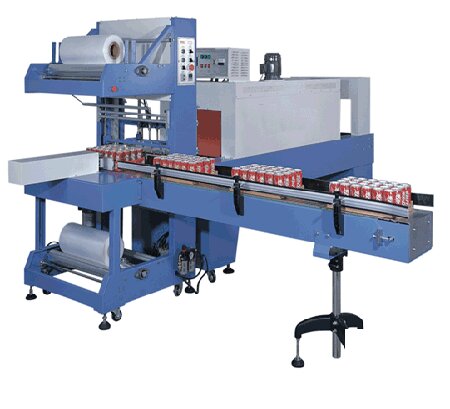 | ₹335000 The unit packs duly collated Automated & put in to In-feed Line Conveyor. The sealing shall be WEB SEALER suitable for above product. View product → |
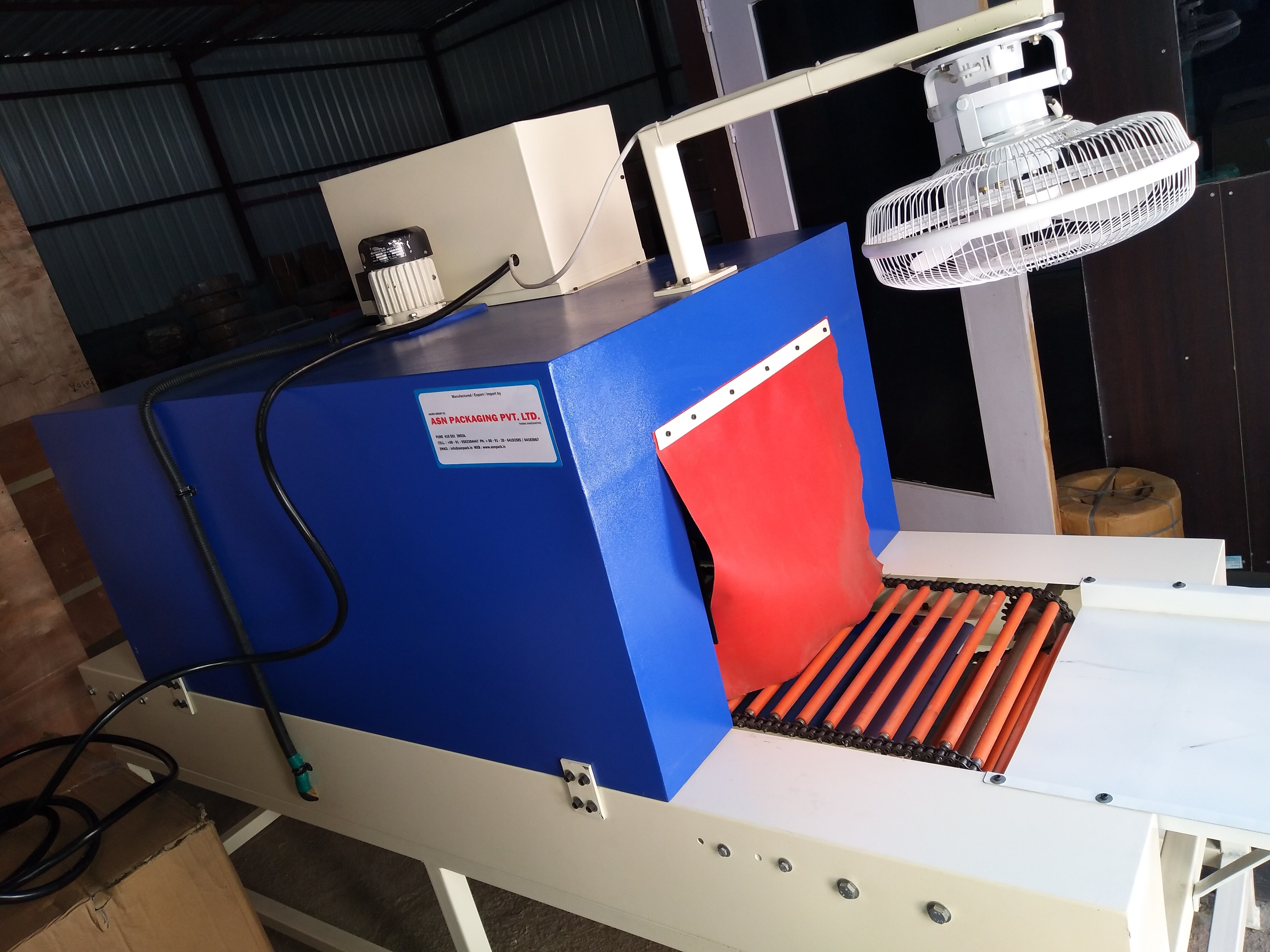 | ₹135000 SHRINK TUNNEL MACHINE MODEL 450 ASN SIZE 400 X 250 MM LENGTH 45 INCH POWER 6-8 KW , 440 VAC -3 PH HEAVY-DUTY STRUCTRE View product → |
 | ₹335000 The unit packs duly collated Automated & put in to In-feed Line Conveyor. The sealing shall be WEB SEALER suitable for above product. View product → |