
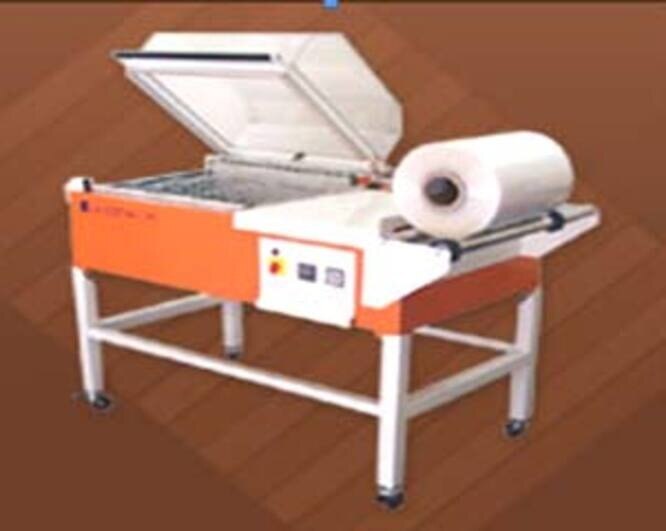
A shrink tunnel tightens film around a product only after another machine has enclosed and sealed it, so poor results often begin before the pack reaches the heated zone. By the end, you will know how the film moves through sealing, heating, cooling and discharge, how to set up the equipment, and how to specify a tunnel that fits your products safely.
Key takeaways
- Load film with the correct fold direction and centre it before sealing.
- Set tunnel temperature and conveyor speed using film supplier recommendations.
- Inspect seal strength, film wrinkles, hot spots and conveyor tracking every shift.
- Run sample packs before acceptance and record temperature, speed and pack results.
What happens from film loading to finished pack
Loose film becomes a finished package through four actions: film loading, enclosure, sealing, and controlled heating. Shrink tunnel machine operation starts before the tunnel, because the tunnel only contracts film around an already enclosed pack; it cannot close a gap or repair a leaking seal.
1. Load the roll onto the unwind shaft and thread the film through the forming guides. Keep the film centred, remove twists, and confirm that the film’s shrink direction matches the package presentation.
2. Place each product inside the film with consistent spacing. Crowded packs can touch, snag, or receive uneven heat, while excessive gaps waste film and reduce output.
3. Pass the film and product through an L-sealer, side-sealer, or pedal-operated sealing machine. The sealing unit cuts and closes the film; it does not perform the shrinking stage.
4. Check the seal before entry. A weak, open, or contaminated seal will remain defective after heating.
5. Feed the sealed pack onto the tunnel conveyor. Maintain the specified orientation and prevent packs from overlapping at the entrance.
6. Heat and circulating airflow contract the film around the product. The result depends on chamber temperature and residence time, which is heated-zone length divided approximately by conveyor speed.
7. Let the pack cool as it leaves the heated zone, then remove it from the discharge end. Cooling allows the film to tighten and the seal to stabilise.
Changing film width, roll orientation, or product presentation can change the finish even when the product stays identical. Evaluate the first packs for wrinkles, holes, loose corners, and distorted contents before increasing production speed.
Which machine performs each packaging stage
An L-sealer cuts and seals two film edges in one L-shaped operation; it encloses individual products but leaves the film loose until heating. A web sealer, usually a continuous band or side sealer, makes a running seal while film and product move through it. Neither machine shrinks the film.
A shrink chamber heats one enclosed pack inside a closed chamber, then opens for discharge. A shrink tunnel supplies continuous heat and airflow as packs travel on a conveyor. It needs a sound seal first; heat will not close a leaking seam.
| Machine | Packaging stage | Best fit |
|---|---|---|
| L-sealer | Cuts and seals film around one pack | Mixed sizes and low-to-medium output |
| Web sealer | Makes a continuous longitudinal or end seal | Repetitive products on a moving line |
| Shrink chamber | Heats one pack in a chamber | Batch work and variable pack dimensions |
| Shrink tunnel | Shrinks sealed packs during conveyor travel | Continuous production and downstream automation |
Choose the opening from the complete loaded-pack envelope, not the product alone. Measure width, height, film ears, protruding parts, orientation and conveyor clearance; leave working clearance for height variation without making the opening unnecessarily large.
Choose the conveyor from the product base and load:
- Use mesh for airflow and stable rigid packs, but check whether small packs catch in openings.
- Use a solid belt for small or unstable products; confirm heat resistance, cleaning access and load rating.
- Use rollers or chains only when the pack base will not bridge gaps, tip or acquire marks.
Specify pack weight and spacing when comparing a shrink tunnel machine in Pune. A pedal sealer creates the closure; it does not replace the tunnel.
How to set heat, speed and film for a clean shrink
The cleanest setting is the lowest temperature and shortest dwell time that tightens the film without opening seals, burning holes, deforming the product or creating heavy wrinkles.
1. Identify the film before setting the tunnel. PVC, polyolefin and polyethylene shrink at different rates and temperature ranges; use the film supplier’s stated range, then test the actual roll, width and bag orientation. Film often shrinks more in the machine direction than across it.
2. Set the conveyor speed to control dwell time. For a fixed heated length, dwell time equals heated-zone length divided by belt speed. If the pack is loose, reduce speed or raise temperature slightly; if film or seals scorch, increase speed or lower temperature.
3. Keep packs separated so hot air reaches every face. Crowded products create heat shadows, transfer heat between packs and produce uneven shrink. Maintain a repeatable gap rather than judging spacing by eye.
4. Check airflow before adding heat. Clean blocked outlets, confirm balanced circulation and keep film centred with minimal slack. A damaged belt or tilted product can mimic a temperature fault.
5. Inspect the seal after each trial. An open seam points to insufficient sealing heat, dwell or pressure; a brittle seam or hole points to excess heat, dwell or pressure. Tunnel heat can expose a weak seal rather than fix it.
Wrinkles on one side usually indicate blocked airflow, off-centre film or inconsistent product orientation. Tight film with product distortion indicates excessive heat or dwell. Change one setting at a time, record temperature, speed, film batch and spacing, then repeat the trial.
What to check before installation and every shift
A 440 VAC, three-phase tunnel drawing 6–8 kW needs a dedicated, correctly protected supply, verified earthing, and a documented risk assessment before installation. Do not connect it from a socket or extension lead intended for general use.
1. Have a qualified electrician confirm phase sequence, conductor size, short-circuit protection, isolator access, earth continuity, and the machine’s nameplate current. Record the test results against IEC 60204-1 and the site electrical rules.
2. Keep the tunnel’s required service clearance from walls, combustible materials, and other equipment. Measure the loaded pack, including film ears and protruding parts, against the opening, belt width, and height.
3. Provide ventilation that removes heat and any film vapours without blowing directly across the tunnel opening. Keep cartons, solvents, and loose film away from heaters and exhaust outlets.
4. Before handover, test fixed guards, conveyor pinch-point covers, emergency stops, thermal cut-outs, alarms, and access interlocks. Guards should prevent contact with hot surfaces and moving parts, as required by the documented risk assessment and ISO 12100.
5. At each shift start, inspect the belt, rollers, heater covers, wiring, power isolator, emergency-stop reset, and temperature display. Remove film scraps before they reach the heaters.
6. Run an empty warm-up and check abnormal noise, smoke, odour, belt tracking, and stable temperature. Stop the machine if any fault appears.
7. Confirm the sealing machine has made a complete seam before feeding trial packs. A tunnel cannot repair a leaking seal.
8. Isolate, lock out, and allow the chamber to cool before cleaning, clearing jams, or servicing heaters and conveyors.
How to compare a tunnel supplier and prove the line works
Specify the product, film and output before comparing prices: packed length, width, height, weight, film type and thickness, packs per minute, conveyor load, electrical supply and available floor space. A shrink tunnel machine in Pune cannot be sized from product dimensions alone; unstable packs or undersized openings create jams and damaged film.
| Supplier option | What to verify | When it applies |
|---|---|---|
| Integrated line supplier | Sealer-to-tunnel speed matching, shared controls, guarding and one commissioning test | Continuous production |
| Pedal sealer machine manufacturer | Seal-bar width, sealing-cycle time, operator rate and compatibility with the tunnel conveyor | Low-volume or changing pack sizes |
| Shrink tunnel supplier in Pune | Tunnel opening, belt type, load rating, temperature range, airflow control and spare heaters | A tunnel is being added to an existing sealer |
A pedal sealer machine manufacturer supplies the film closure, not the shrink stage. Confirm that the seal survives tunnel heat; a tunnel cannot repair a weak or incomplete seal. Ask ASN Packaging PVT LTD to document the chosen belt, load limit, emergency stops, guarding and electrical schematic against the installation and machinery-safety standards you use.
Commission the complete line with your actual product and production film. Record film batch, temperature, conveyor speed, airflow, seal time and pack spacing, then run at least three sustained trials. Accept the lowest temperature and shortest residence time that produces tight film without seal rupture, holes, wrinkles that obscure the product, or product deformation.
Check the first, middle and final packs after cooling, and retain signed trial records as the acceptance baseline.
Related products
 | ₹38000 It is suitable for heavy weight products for multiple packaging matrix, Requires two rolls of packaging materials pneumatic web sealer with stick... View product → |
 | ₹35000 We are engaged in manufacturing of qualitative range of shrink packaging Machines, which provide solutions for a wide variety of packaging... View product → |
Frequently asked questions
What happens from film loading to a finished shrink-wrapped pack?
Film is loaded and aligned, the product is enclosed, the film is sealed, and controlled tunnel heat contracts it around the pack.
Which machine performs each packaging stage?
A film dispenser or wrapper handles enclosure, a sealer closes the film, and the shrink tunnel applies controlled heat.
How do you set heat, speed and film for a clean shrink?
Use the film supplier’s temperature range, adjust conveyor speed with temperature, and test sample packs for tightness, wrinkles and seal strength.
What should you check before installation and every shift?
Check power supply, ventilation, clearances, guarding, film alignment, sealing elements, conveyor movement and emergency-stop operation.
How do you compare a shrink tunnel supplier and prove the line works?
Request a sample-pack trial, record film type, temperature, conveyor speed and output, then inspect sealed packs against agreed acceptance criteria.
Related products
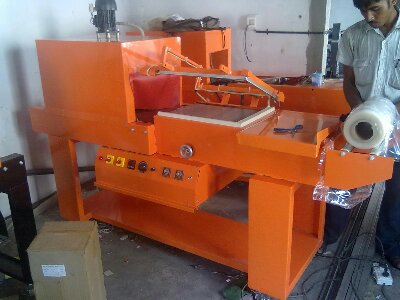 | COMBO SHRINK L-SEALER AND TUNNEL MACHINE ₹95000 Features: • Stainless steel product-loading tray • Durable silicone sealing pad • Long lasting heating element cool down function for delayed power... View product → |
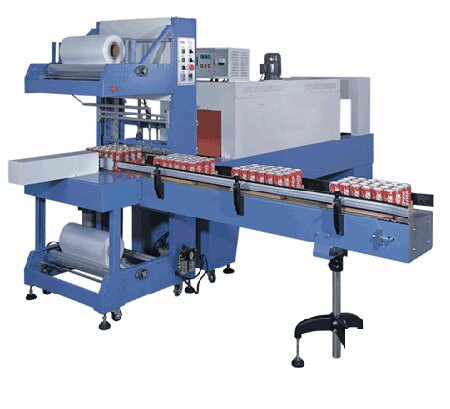 | ₹335000 The unit packs duly collated Automated & put in to In-feed Line Conveyor. The sealing shall be WEB SEALER suitable for above product. View product → |
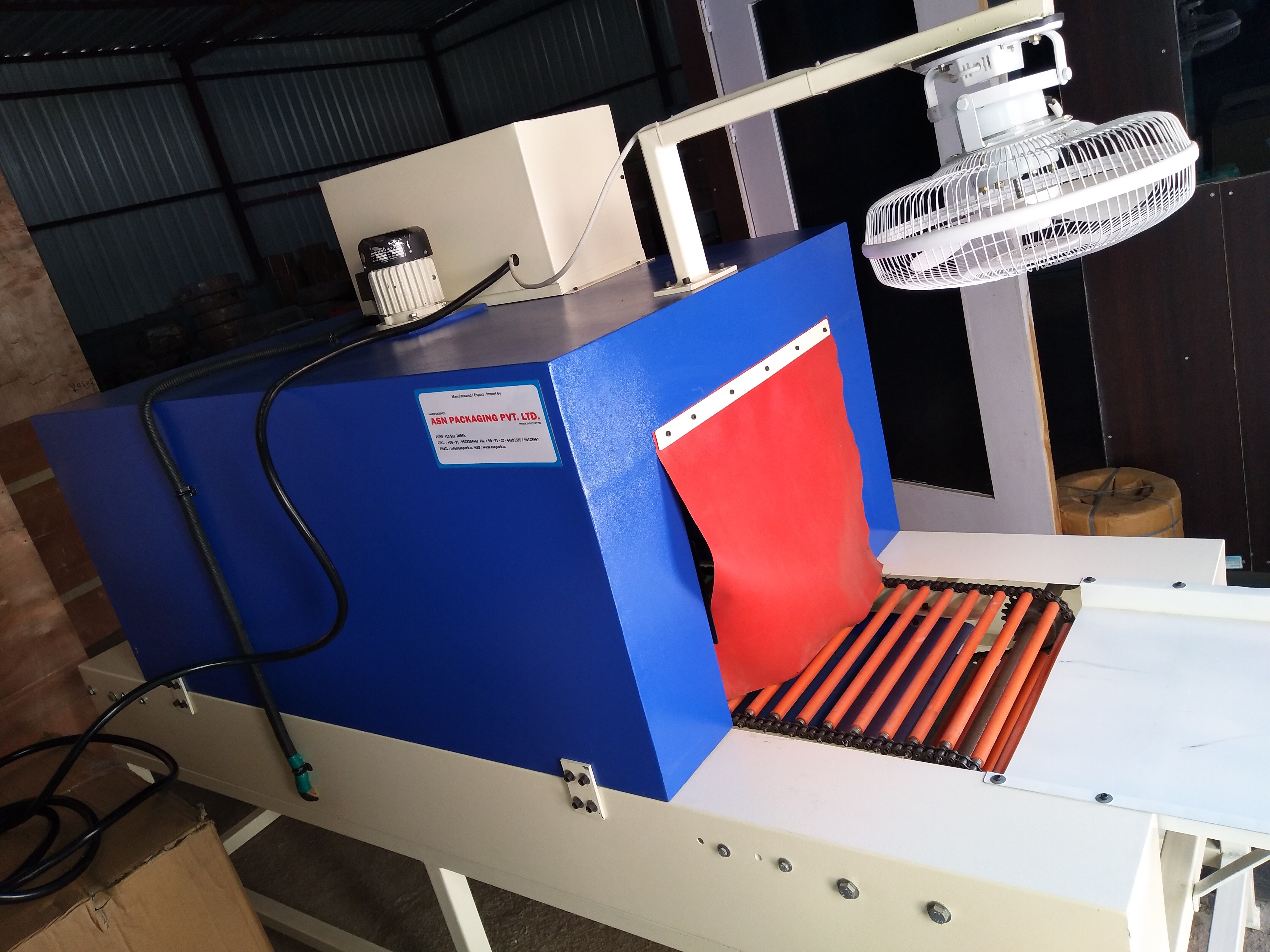 | ₹135000 SHRINK TUNNEL MACHINE MODEL 450 ASN SIZE 400 X 250 MM LENGTH 45 INCH POWER 6-8 KW , 440 VAC -3 PH HEAVY-DUTY STRUCTRE View product → |
 | ₹335000 The unit packs duly collated Automated & put in to In-feed Line Conveyor. The sealing shall be WEB SEALER suitable for above product. View product → |