
A food pack passes through two different heat operations: the sealer closes the film, then the shrink tunnel contracts it around the product. By following the film path and matching temperature, pressure, dwell time, speed and film choice, you can specify a line that produces tight packs without confusing appearance with seal integrity.
Key takeaways
- Match film type and thickness to the product and sealing temperature.
- Set seal-bar heat, pressure and dwell time as one system.
- Keep tunnel temperature and conveyor speed balanced for even shrinkage.
- Choose line capacity from peak packs per minute, not average output.
The food pack sealing process from film roll to discharge
A complete food pack sealing process moves the product through film forming, primary sealing, shrinkage, cooling and discharge. In industrial food packing, the industrial packaging machine must keep the product centred while controlling film tension, seal contact and conveyor spacing.
1. Collate the food product and present it at a steady pitch. Guides keep cartons, trays or bags clear of the future seal area.
2. Draw centre-folded or tubular film from the roll through film rollers. The film wraps around the product, leaving the required overlap or open edge for sealing.
3. Transfer the wrapped pack into the web sealer. Heated sealing elements close the longitudinal or transverse seam; a sealing jaw or sealing wheel applies pressure, while the cutter separates connected packs where the machine design requires it. A Teflon-coated surface prevents hot polymer from sticking, and a pneumatic cylinder supplies repeatable jaw force.
4. Inspect the seal path before shrinkage. Fat, sauce, crumbs and moisture trapped in the seam can create channels, so a higher temperature will not reliably restore a contaminated or weak seal.
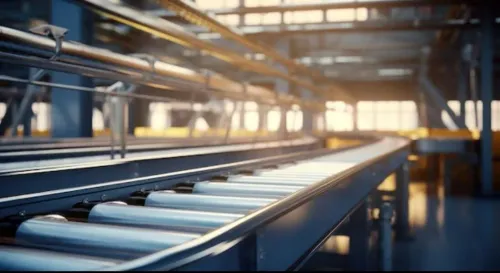
5. Carry the sealed pack through the shrink tunnel. Controlled heat softens the film, and airflow plus residence time makes it contract around the product; the tunnel tightens the pack but does not create the primary seal.
6. Cool the film before discharge. The conveyor releases a stable pack for inspection, case packing or labelling.
The correct line speed depends on pack length, height, film width, sealing dwell and tunnel residence time, not the advertised packs-per-minute figure alone. A “web sealer tunnel food packing” system must also be checked for compatibility with the chosen film format and food product.
How the web sealer closes the film
A web sealer closes film by guiding it through a controlled sealing path, applying heat and pressure, and cutting the finished seal without confusing sealing with shrinking. In a web sealer tunnel machine, the tunnel tightens film after the seal exists; it does not repair a weak joint.
- Film rollers guide the web, maintain tension and alignment, and set the overlap or film path around the food pack. Misalignment leaves too little film for a continuous seal.
- Heated sealing bands or wheels form a longitudinal seal along the direction of travel. A sealing jaw forms a transverse seal across the bag or film sleeve when the package design requires an end closure.
- The sealing jaw presses softened film layers together. A pneumatic cylinder supplies the closing force, while its pressure and stroke affect contact across the entire seal width.
- A Teflon surface covers the heated contact area, reducing sticking and allowing the film to release cleanly. It is a non-stick protective surface, not the heat source.
- The cutter trims excess film or separates adjacent packs after the seal forms. A blunt, misaligned, or overheated cutter can pull the seal open.
Keep crumbs, sauce, oil, and moisture away from the sealing track: contamination prevents polymer-to-polymer contact and creates channels. Check the seal visually and use periodic destructive tests, because the temperature display alone cannot prove seal strength in the food pack sealing process.
Setting heat, pressure, speed and shrink-tunnel conditions
A tunnel cannot rescue a weak seal. Establish the seal first, then set shrink conditions around the film and pack.
Establish the sealing window in this order:
- Use the film supplier’s sealing range as the starting point, then run trials at several jaw temperatures. ASTM F2029 provides a method for studying heat-sealing conditions and identifying the film’s usable heat-sealability window.
- Set jaw pressure and dwell time so the seal closes fully without squeezing molten film out of the joint. A higher line speed shortens dwell, so do not increase speed without rechecking seal strength.
- Challenge the seal with the actual food pack. Grease, sauce, powder and moisture trapped in the seal area can create a channel even when the joint looks closed; stop, clean the sealing surfaces and correct product presentation before validating settings.
- Record product length, height, film width, seal length and package pitch when sizing an industrial shrink sealing machine. A stated packs-per-minute figure from small cartons does not predict performance with tall or irregular packs.
Set the food packaging tunnel machine only after the primary seal passes inspection. Increase tunnel heat or residence time until the film tightens without wrinkles, graphic distortion, punctures or crushed containers; excessive airflow can increase shrink force.
Confirm the result with both seal-strength and integrity checks. ASTM F88/F88M measures force to separate a seal, while nonporous food films need a suitable pressure, vacuum-decay or burst-style leak test. A passing strength result alone does not prove every pack is leak-free.
Choosing film and controlling pack integrity
A tight pack starts with film matched to the product, seal system and tunnel—not with a higher tunnel temperature. Select shrink ratio, shrink force, puncture resistance, stiffness, sealing range and barrier performance; calculate film width from pack dimensions and seal allowances.
Film that is too narrow pulls open at the seal, while excess width creates folds and trapped air. Centre-folded film simplifies feeding because the product enters the fold, but the fold width must accommodate pack height and leave a reliable seal on the open edge.
| Film | Typical strengths | Main risks or uses |
|---|---|---|
| Polyolefin | Clear, strong, broad food-packaging use, good puncture resistance | Confirm the formulation and food-contact conditions; 21 CFR 177.1520 covers specified olefin polymers, not every polyolefin film |
| Polyethylene | Flexible, tough and suitable for heavier packs | Lower clarity and shrink presentation; check sealing and barrier performance |
| PVC | Strong shrink effect and high clarity | Review formulation, food-contact status and ventilation requirements before use |
Control trapped air with micro-perforations, a designed vent path or controlled air evacuation. Venting improves shrink appearance but reduces oxygen and moisture protection if the pack needs a tight barrier.
Before release, inspect every seal for wrinkles, contamination, channels and incomplete fusion. Test seal strength with ASTM F88, leak integrity with ASTM F2096 or a suitable dye-penetration method, and confirm film, coatings and inks are approved for the intended food contact.
An industrial shrink sealing machine and food packaging tunnel machine must be validated together: ballooning, burst film or crushed containers indicate a film, venting or setting mismatch, not a defect cured by more heat.
Selecting the right sealing line for throughput and pack variety
Choose by your least convenient pack, not the supplier’s headline packs-per-minute figure. Product height, film width, seal dwell, pitch, tunnel residence time and operator presentation can reduce output sharply when packs become tall, irregular or contaminated.
| Option | Throughput and pack variety | Choose when |
|---|---|---|
| Continuous web sealer tunnel machine | Highest steady output; consistent open-top bags and one repeatable seal path | Use for a stable product flow and verify whether it accepts pre-made bags, centre-folded film or a full film roll. It is not an L-sealer replacement. |
| L-sealer with tunnel | Medium output; handles varied rectangular products and cuts film on two sides | Choose when pack dimensions change and you need a four-sided film cut-and-seal operation. Allow time for manual loading and corner alignment. |
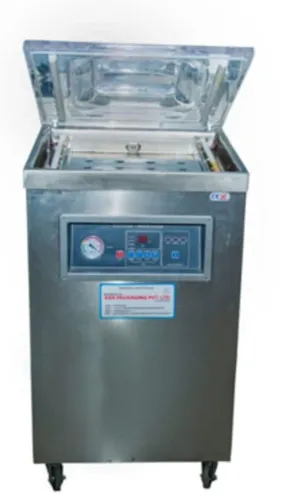
| Chamber machine | Lower output; flexible pack sizes, small batches and difficult shapes | Choose when you need to place the product and film inside a chamber for each cycle. The trade-off is cycle time and operator handling. |
| Manual or semi-automatic equipment | Lowest output; maximum format flexibility | Choose for trials, seasonal products, low volumes or frequent changeovers. Do not select it for a continuous upstream conveyor. |
A specification reading “industrial packaging machine web sealer tunnel food packing” is too vague to approve. Ask for a layout showing film path, maximum product dimensions, seal width, pitch and tested output with your actual food packs.
ASN Packaging PVT LTD can help compare a quoted web sealer tunnel machine against an L-sealer by testing the film format and pack presentation rather than accepting the label alone.
Related products
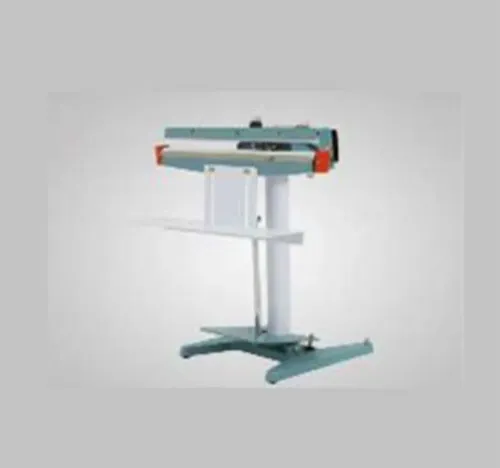
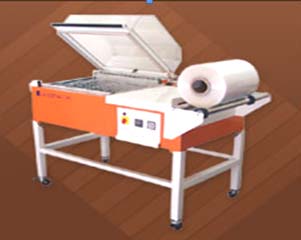 | ₹38000 It is suitable for heavy weight products for multiple packaging matrix, Requires two rolls of packaging materials pneumatic web sealer with stick... View product → |
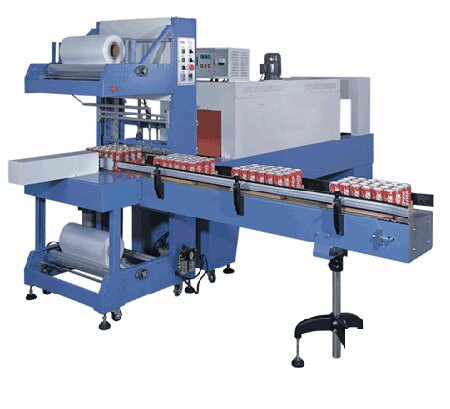 | ₹335000 The unit packs duly collated Automated & put in to In-feed Line Conveyor. The sealing shall be WEB SEALER suitable for above product. View product → |
Frequently asked questions
What happens during the food pack sealing process?
The product is centred, film is formed around it, primary seals close the pack, and the pack passes through shrinkage, cooling and discharge.
How does a web sealer close food packaging film?
A web sealer brings overlapping film edges together, then applies controlled heat, pressure and dwell time to create a continuous seal.
How do you set a shrink tunnel for food packs?
Balance tunnel temperature with conveyor speed and film response, then inspect the pack for uniform shrinkage, open corners, wrinkles and product contact.
How do you choose film for a food packaging tunnel machine?
Select film by polymer type, thickness, shrink range, seal temperature and compatibility with the product, then test seal strength and appearance.
How do you select an industrial shrink sealing machine?
Compare peak packs per minute, pack dimensions, film width, product spacing, changeover time and the number of pack formats the line must handle.
Related products
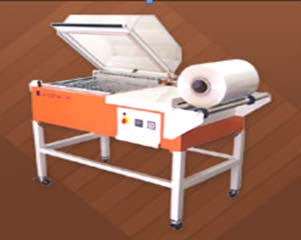 | ₹35000 We are engaged in manufacturing of qualitative range of shrink packaging Machines, which provide solutions for a wide variety of packaging... View product → |
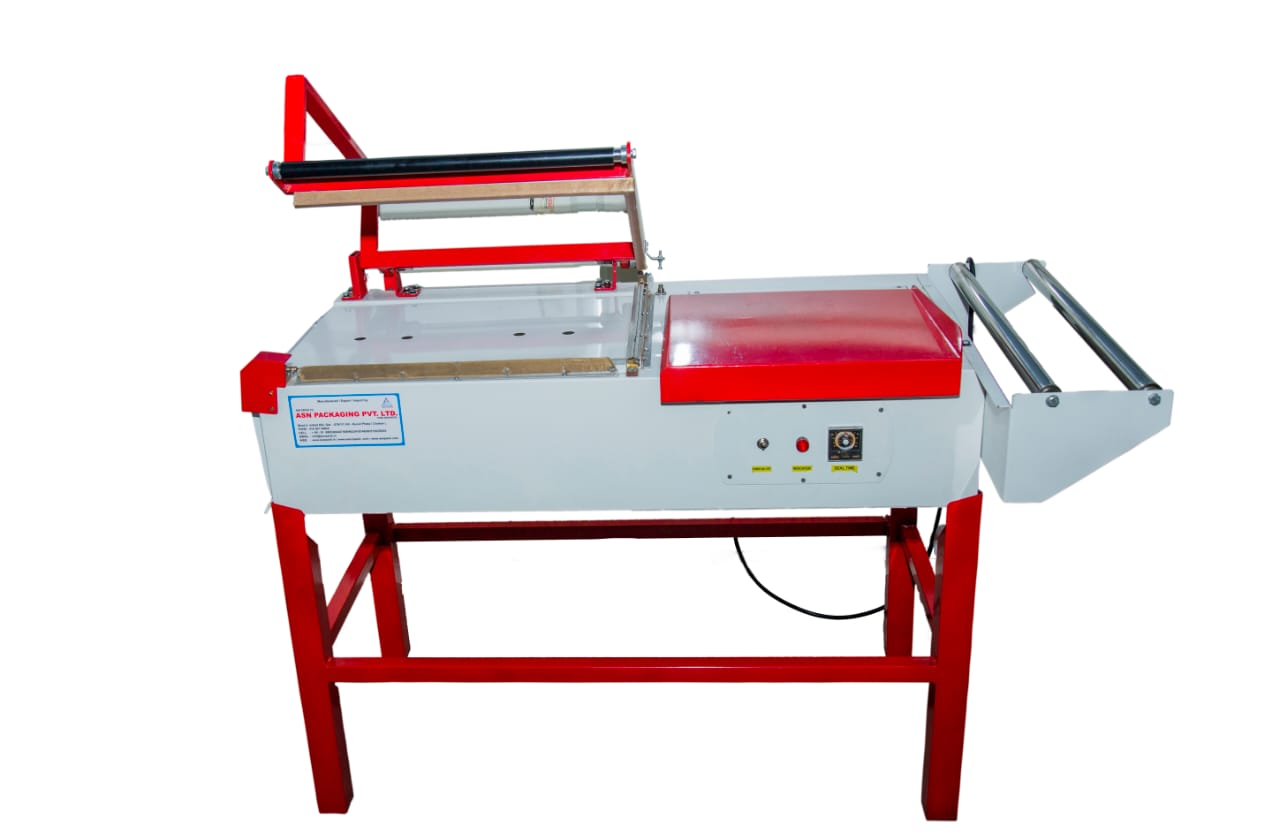 | Shrink L-Sealer Machines It is Suitable for Small Bags Packing And Adopts Electronic Constant temp. control System and variable speed adjusting transmission mechanism . View product → |
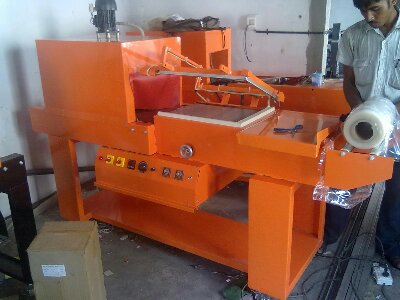 | COMBO SHRINK L-SEALER AND TUNNEL MACHINE ₹95000 Features: • Stainless steel product-loading tray • Durable silicone sealing pad • Long lasting heating element cool down function for delayed power... View product → |
 | ₹335000 The unit packs duly collated Automated & put in to In-feed Line Conveyor. The sealing shall be WEB SEALER suitable for above product. View product → |